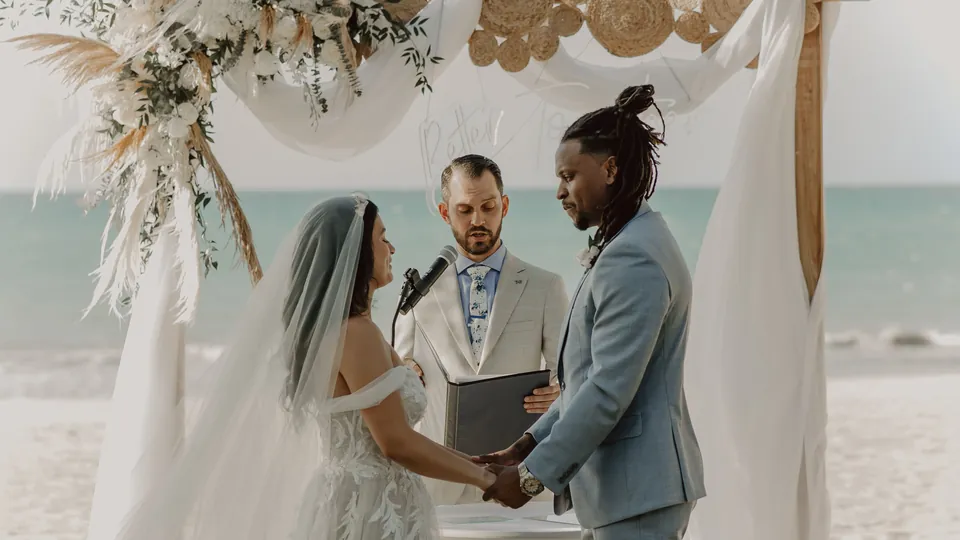
Perhaps you speak Spanish with your parents and English with your partner. Perhaps your families celebrate differently, pray differently, or have different ideas about what a wedding should include. You want everyone to feel welcome, and you also want the ceremony to feel like yours.
Yes, you can plan a bilingual or multicultural wedding ceremony. The most meaningful version begins with intention: what do the two of you want to say, who needs help understanding it, and which traditions truly belong in your celebration? You do not have to erase part of your story to begin a shared future.
Start with meaning before choosing a format
Before deciding how many minutes each language receives, talk about what language means to each of you. One language may hold childhood memories; another may be the language of your relationship. A short phrase can carry a deep connection that a literal translation does not fully express.
Each partner can write three things they want honored and one thing they do not want included. Compare the lists with curiosity. This exercise helps you distinguish a meaningful choice from an expectation you inherited but do not share.
Bring that conversation to your officiant. A ceremony becomes easier to design when its purpose is clear: welcoming your loved ones, expressing your commitment, and honoring your relationship in words you understand and believe.
Choose a language plan that supports understanding
A bilingual ceremony does not have to repeat every sentence in full. Nor should it leave important guests unable to follow the central moments. You can combine several approaches according to the people attending and the experience you want.
- Shared key moments: present the welcome, major transitions, and central commitments in both languages.
- Complementary sections: use one language for a reading and the other for a short explanation of its meaning.
- Written support: offer a clear printed program with translations of selected passages.
- Personal language choices: let each partner express personal vows in the language that feels most natural, with an agreed way to include listeners.
Ask yourselves who needs to understand each part and how they will receive it. Equal respect does not always require identical speaking time. It requires thoughtful access to the meaning.
Help guests feel included without making assumptions
Do not assume language preference from a surname, age, or country of birth. Ask the relatives whose participation matters to you. Someone who understands conversational English may still prefer emotional or spiritual language in Spanish.
Pronunciation deserves preparation too. Send your officiant a voice recording of names, including accents and family names. Check the words used for family relationships and how each person would like to be introduced.
A bilingual program should be readable, not crowded. Use a comfortable font size and enough space between sections. If you offer a digital translation, provide a simple alternative for guests who do not use smartphones. Inclusion is most useful when it works for the people actually attending.
Choose cultural traditions together
You may want a family blessing, a symbolic exchange, music, or a ritual connected to your heritage. Start by asking what the practice means to you and whether both partners are comfortable participating. Avoid adding a ritual simply because it looks beautiful in photographs.
Invite a knowledgeable family member or community representative to explain a tradition when appropriate. Be clear about what can be adapted and what should be preserved. A few sentences of context can help guests appreciate its meaning without turning your ceremony into a lecture.
For traditions with religious requirements, speak with the appropriate religious leader before promising an adaptation. A ceremony can be legally valid without meeting every faith community's requirements for religious recognition. Knowing the distinction helps you make informed choices.
Give family expectations a respectful place
Family requests can come from love, fear of being excluded, or a deeply held belief. Listening does not mean agreeing to everything. Decide together which requests fit your values before responding to relatives separately.
Try language such as: “We want to honor where we come from. We have chosen these parts because they represent both of us.” If you decline an element, offer a different way for that person to participate when it feels right.
Utah State University Extension encourages couples to approach religious differences with curiosity and respect. For wedding planning, that can mean asking what a tradition represents before debating whether to include it. Your ceremony should not become a public attempt to settle every family disagreement.
Keep legal elements clear in every language
Personalization belongs alongside a sound legal process. In a Utah ceremony, the required declarations and pronouncement must still take place with the proper witnesses. Each partner should understand the commitment they are making.
Talk with your officiant about the wording and how any interpretation will be handled. Do not assume that attractive translated text communicates the same legal meaning. The county's guidance remains the reference for required ceremony elements.
If you need a language beyond those your officiant can confidently provide, discuss a qualified interpreter and the practical arrangements in advance. Clear understanding matters more than improvising a phrase on the wedding day.
Rehearse transitions, timing, and participation
Read the full ceremony aloud before finalizing it. Translation changes length and rhythm. A passage that looks brief on a page may need more time when spoken with pauses and emotion.
Practice who introduces a reading, how the microphone moves, and where any ritual materials will be placed. Give family participants their text early and confirm the language they prefer. Agree on a gentle plan if someone becomes emotional or loses their place.
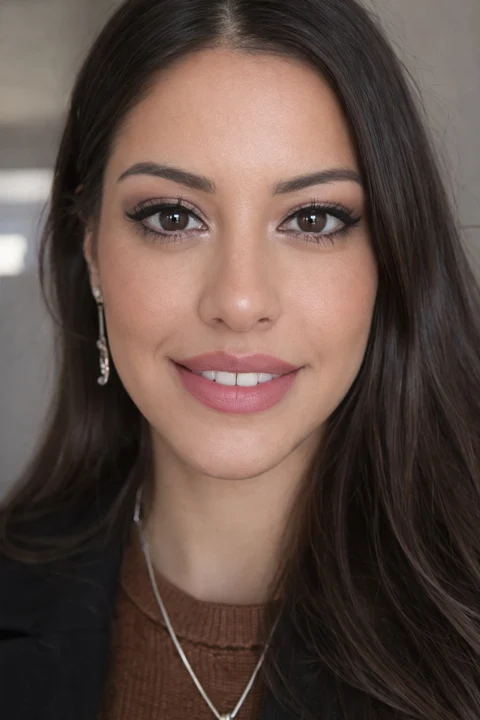
I am Elsa Noemy, and I welcome conversations about ceremonies in English, Spanish, or both. Tell me which parts of your story you want heard. We can discuss a thoughtful ceremony structure that respects your voices and helps your loved ones follow the moment.
Build shared habits beyond the ceremony
Blending lives also means talking about the practical habits each person brings into marriage. Set aside a calm time to discuss spending, savings, debt, and future priorities. Ask what money represented in each family without treating either background as the correct one.
Knowing your individual credit can add useful information to that conversation. If you want to begin a consistent credit-monitoring habit, sign up for SmartCredit today. Use the process as an invitation to plan together. A shared future grows through understanding, respect, and the next action you choose.
Questions you may still have
Does every sentence need to be translated in a bilingual ceremony?
No. You can combine bilingual key moments, translated programs, and complementary sections. Plan how guests will understand the central commitments and the parts most important to them.
Can we include traditions from both families?
Yes, when both partners agree and the traditions fit the ceremony. Discuss their meaning and any religious or cultural requirements with someone knowledgeable before adapting them.
Can one partner say vows in Spanish and the other in English?
You can discuss that format with your officiant. Make sure both partners understand each other and plan translations or summaries for guests when helpful.