
You want to enjoy your wedding, not spend it answering questions about microphones, missing flowers, and who has the marriage license. But when you begin hiring help, the titles can sound interchangeable. Does a wedding officiant plan the day? Does a planner make the marriage legal?
The simplest distinction is this: an officiant leads the marriage ceremony and handles the responsibilities associated with solemnizing it. A wedding planner helps organize the larger event within the services you hire them to provide. Understanding that difference protects your budget, your expectations, and the experience you want to create.
What a wedding officiant does
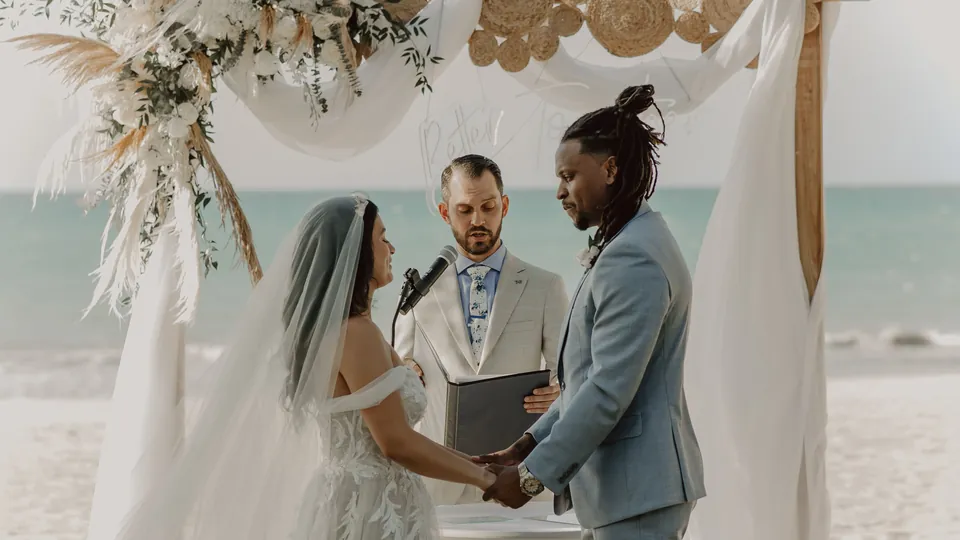
Your officiant is the person guiding the moment when you make your marriage commitment. Their work may include conversations about your relationship, developing a ceremony script, helping shape the vow exchange, and conducting the ceremony. The exact preparation and services should be explained before you book.
A legally authorized officiant also has marriage-license responsibilities. In Utah, authorization matters; a person's enthusiasm, speaking confidence, or relationship to the couple does not by itself establish that authority. Utah County explains who may officiate, including people with recognized religious authority and certain public officials.
Think of the officiant as the person helping the ceremony carry both meaning and structure. Ask how they balance your wishes with required legal elements, who reviews the script, and what happens with the completed license afterward.
What a wedding planner does
A planner's work generally focuses on the event as a whole. Depending on the agreement, that might include developing a planning schedule, organizing vendor communication, tracking budget decisions, reviewing logistics, and coordinating the wedding day.
However, titles alone do not tell you what is included. Full planning, partial planning, and event coordination may describe very different packages. A venue coordinator may focus mainly on that venue's services. None of these labels automatically means the person will write your vows or be legally authorized to marry you.
Ask for a written list of responsibilities. If a professional offers more than one role, clarify the separate services, the people assigned, and how competing tasks will be handled during the ceremony. Clear agreements are more valuable than impressive titles.
Where an officiant and planner work together
The ceremony connects emotional details with practical ones. Your officiant needs to know when to begin, where to stand, and how to communicate with the person managing the event. Your planner needs to know the ceremony's order, approximate duration, and any special movements or rituals.
Consider a ceremony that includes a family reading and a unity ritual. The officiant introduces their meaning. Someone else may need to seat the reader near the aisle, provide a microphone, and place the materials on a table. The experience works best when every task has an owner.
- Ceremony content: decide who prepares and approves the words.
- Guest movement: assign someone to seating and the processional.
- Sound: identify who supplies, tests, and operates microphones.
- Documents: confirm who brings the license and coordinates with the officiant.
Decide what kind of support your wedding needs
Begin with your situation instead of an imagined standard for how a wedding should look. An intimate ceremony in a familiar setting may need fewer moving parts than a celebration with multiple locations, outside vendors, and a large guest list.
List the tasks that already feel overwhelming. If your concern is expressing your commitment in a way that feels sincere, talk with an officiant about ceremony preparation. If your concern is coordinating delivery schedules and a full event timeline, ask a planner or coordinator about that scope.
You may decide to use both. You may divide some tasks among trusted helpers. Whatever your choice, avoid assigning the couple every unresolved responsibility. You deserve time to experience the moment you have been preparing for.
Ask these questions before booking your officiant
A consultation should help you understand both the person and the process. Share your date, location, language preferences, and what you hope the ceremony will feel like. Then ask questions that turn an appealing conversation into a clear plan.
- How do we help shape the ceremony, and when do we review it?
- Can we include personal vows, family readings, or meaningful traditions?
- What is included in the fee, and what would cost extra?
- Is rehearsal participation included or arranged separately?
- How will you coordinate with our planner or venue contact?
- What is the process if an emergency affects your ability to attend?
You do not need polished answers about your dream ceremony before contacting someone. A thoughtful conversation can help you discover what matters. You do need clarity about the services you are agreeing to purchase.
Create one shared plan for the ceremony
Once you have chosen your team, make a concise ceremony plan everyone can use. Include arrival times, names and pronunciations, the order of events, contact details, and the location of essential items. Keep personal stories and sensitive information out of the general vendor version.
Decide who makes a weather-related decision, who communicates a delay, and who can answer questions while you are getting ready. A named point of contact can prevent every small decision from reaching you.
At the rehearsal, walk through transitions rather than trying to manufacture the emotion of the day. Practice where people stand, when they move, and who holds the rings. Leave room for the actual ceremony to feel fresh.
Choose someone who respects your story
The person leading your ceremony should listen carefully to how you describe your relationship. You may want a joyful bilingual celebration, a quiet exchange of vows, or language that welcomes people with different beliefs. Your preferences deserve a direct conversation.
I am Elsa Noemy, ordained through American Marriage Ministries since 2017. I invite you to share the people, values, and moments you want your ceremony to honor. We can discuss your vision and the available services without assuming that one wedding format fits every couple.
The goal is a ceremony in which you recognize yourselves: meaningful words, understood expectations, and enough practical preparation to let you focus on each other.
Bring the same teamwork into your finances
Choosing wedding services is an opportunity to practice making financial decisions together. Agree on a comfortable budget, what you will pay from savings, and how any existing obligations fit into your plans. Honest information makes shared decisions easier.
For a practical step beyond the wedding checklist, explore your own credit and make reviewing it a regular habit. Sign up for SmartCredit today and use what you learn to support thoughtful money conversations. Building a life together includes the celebration and the everyday choices that follow.
Questions you may still have
Does hiring a wedding planner mean we do not need an officiant?
No. A planner does not automatically have legal authority to solemnize a marriage. Confirm who will perform your ceremony and whether that person is authorized.
Will our officiant attend the rehearsal?
That depends on the service agreement and availability. Ask directly whether rehearsal attendance is included, optional, or handled by another person.
Can one professional provide both ceremony and planning services?
Some professionals offer multiple services, but you should not assume this. Ask which roles are included, who performs each one, and how the ceremony will be supported when tasks overlap.