You have a date in mind, a growing list of decisions, and a question that is easy to push down the checklist: when should we book the person who will marry us? The ceremony may take less time than the reception, but it deserves a place near the beginning of your planning.
A practical starting point is to contact officiants once your date and location are reasonably clear. For a wedding planned well ahead, beginning the conversation about 6–12 months before the date gives you room to consider fit and prepare a personal ceremony. This is planning guidance, not a legal deadline or a promise about anyone's availability.
Why an early conversation helps
Choosing an officiant is more than finding someone who can attend. You are inviting a person to guide a significant commitment in front of people you love. You may want a particular tone, a bilingual ceremony, or space for traditions that need thoughtful coordination.
Early contact gives you time to discuss those needs before the schedule becomes crowded with other decisions. It also lets you understand the officiant's process and decide whether it suits you. You can ask questions without feeling that every answer must become an immediate decision.
You do not need the finished vows, flowers, or reception menu. A date, approximate ceremony time, location, and broad vision are enough to begin a useful inquiry.
Use a flexible booking window
There is no single ideal booking date for every couple. Your timeline depends on how much preparation your ceremony needs, how flexible your schedule is, and which professionals are available. A larger celebration with several participants may require more coordination than a simple exchange.
- About 6–12 months ahead: begin consultations when your date and location are established, especially if specific language or ceremony preferences matter to you.
- About 3–6 months ahead: if you have not booked, make the officiant a priority and start narrowing the ceremony details.
- Less than 3 months ahead: inquire promptly, explain your timeline, and be ready to make focused decisions.
- A very short timeline: ask directly about availability and the preparation that can realistically be completed.
These windows are suggested planning checkpoints. They are not a reason to panic if your wedding is closer. The useful question is what you can organize now.
Send an inquiry that gets the conversation moving
A message that says only “How much?” leaves important questions unanswered. Include enough detail for an officiant to understand what you need. You can keep the message short and still make it useful.
Try this original example: “We are planning a wedding on [date] at [location], with a ceremony around [time]. We would like [English, Spanish, or both] and hope for a [brief description] ceremony. Are you available, and could you explain your services and next steps?”
Add whether your date or time is flexible, whether you want rehearsal participation, and any important travel details. If you are still choosing a venue, say so. Clear information helps avoid assumptions and allows a more practical response.
Understand what makes a booking confirmed
A friendly conversation or a message asking about a date may not reserve it. Ask what steps establish a confirmed booking with that professional. Depending on their process, that may involve an agreement, a payment, or other requirements.
Review the ceremony date, time, location, included services, payment schedule, and cancellation or rescheduling terms. Ask about travel, rehearsal attendance, and any additional charges. Clarify how an emergency or substitute arrangement would be handled rather than assuming a backup exists.
Keep the agreement and contact details in a shared folder. If something changes, communicate promptly and get any revised arrangement in writing. A clear booking lets both you and your officiant plan responsibly.
Give the ceremony its own preparation plan
After booking, ask for the specific milestones your officiant uses. A manageable plan might include an initial conversation about your relationship, a draft or outline, decisions about readings and rituals, and a final review. The exact sequence can vary.
Set dates for your own contributions too. If you want personal vows or a relative to offer a reading, give those tasks a realistic place on your calendar. Avoid making every creative decision in the final week.
Before the day arrives, confirm names and pronunciations, who holds the rings, where people will stand, and who communicates with the venue. If you want a bilingual ceremony, review the flow of both languages aloud. Preparation should make the experience feel easier, not turn it into another performance to perfect.
Keep the marriage license on a separate clock
Booking your officiant and obtaining your marriage license are different tasks with different timing. Reserving an officiant does not automatically obtain the license for you.
A Utah marriage license must be used within 32 days after it is issued. Utah County recommends applying about 10–15 days before the wedding. Follow the issuing county's process and allow time for any identification or appointment issue.
Put that reminder on the calendar even if your officiant is booked many months ahead. Confirm who will bring the license or share the digital link and which documents the officiant needs to review.
If your wedding is soon, focus on what matters
A short timeline calls for clear priorities. Decide on the essential legal arrangements, who needs to attend, and one or two personal touches. A sincere reading or a carefully chosen promise can carry a great deal of meaning.
Respond promptly to questions and send requested information together when possible. Be open about what is fixed and where you have flexibility. If your first-choice officiant is unavailable, you will have a concise description of your needs ready for the next conversation.
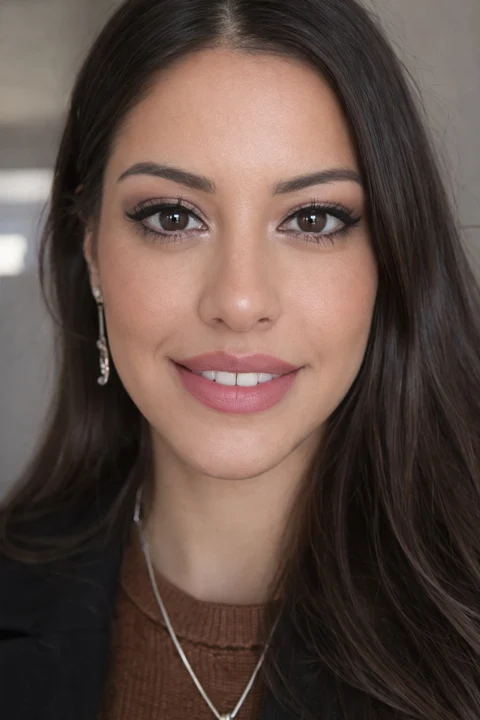
I am Elsa Noemy, and you can contact me with your date, location, and language preferences to ask about availability. Whether your plans are expansive or intimate, the starting point is understanding the ceremony you hope to share.
Make time for the chapter after the wedding
As you organize the wedding calendar, reserve time for a conversation about the first months of marriage. Decide how you will manage expenses, share financial information, and work toward goals that matter to both of you. These conversations deserve attention before the last vendor invoice arrives.
Reviewing your individual credit is one useful habit to consider. Sign up for SmartCredit today if you want to begin monitoring your credit as part of your financial routine. Then bring that awareness into a shared plan built on honesty and mutual respect.
Questions you may still have
Is booking an officiant 6–12 months ahead a legal requirement?
No. It is practical planning guidance for couples organizing ahead. Availability, ceremony needs, and your schedule determine the right timing for you.
Can we still find an officiant if our wedding is soon?
Possibly, but availability must be confirmed directly. Send your date, time, location, and language needs, and explain which parts of the plan are flexible.
Should we get our Utah marriage license when we book the officiant?
Usually these happen at different times. A Utah marriage license must be used within 32 days after issuance, so follow the county’s application timing even if your officiant is reserved months ahead.