You know why you love your partner. Yet the moment you open a blank document, every sentence can sound too ordinary, too dramatic, or like something borrowed from someone else's wedding. The pressure to say everything perfectly can get in the way of saying something true.
You can personalize your wedding vows, and you do not need to become a writer first. Begin with the relationship you actually live: the ways you care for each other, what you have learned together, and the commitments you want to carry into marriage. Honest, specific words can have more power than a polished performance.
Agree on the experience before writing separately
Talk with your partner about the format without revealing the words themselves. Will your vows be mostly heartfelt, lightly humorous, or a blend? Would you prefer personal vows in front of guests or a more private exchange at another moment?
Choose a similar speaking length. As a practical starting point, aim for around one to two minutes each and adjust with your officiant. Read aloud to judge the length; a word count cannot account for emotion, laughter, or the pause you may need.
Discuss boundaries too. Agree not to share private conflicts, intimate details, or stories your partner would find embarrassing. Your vows should make your partner feel seen and safe, even when the whole room is listening.
Collect real moments before searching for beautiful phrases
Start with notes instead of a finished speech. Write down a moment when you felt understood, a small habit you appreciate, and something your partner has helped you see differently. The memorable detail may be an everyday act of kindness rather than a dramatic milestone.
- When did I realize I could be myself with this person?
- What does my partner do that makes ordinary life better?
- What have we learned about supporting each other?
- Which qualities do I want to keep noticing as we grow?
- What kind of partner am I choosing to become?
You do not have to use every answer. Look for one thread that connects your memories to your promises. That gives the vows direction and helps them feel coherent.
Use a simple structure: appreciation, meaning, promises
A useful starting structure has four parts. First, name what you love about your partner. Second, share one brief example. Third, make two or three clear promises. Finally, close with the future you are choosing together.
The promises are the center. “You make me laugh” describes your experience. “I promise to make space for joy even when life is busy” expresses an intention. Both can belong, but vows become stronger when they say what you are committing to do.
Make promises grounded in effort and values. You cannot promise a life without difficulty or that you will never disappoint each other. You can promise to listen, communicate honestly, respect boundaries, seek help when needed, and keep making room for each other's growth.
An original example to help you begin
The following is an original illustration, not a real couple's vows:
“You have shown me how much care can live in an ordinary day. I love the way you notice what matters to me, even when I have not found the words for it. I promise to listen with patience, to speak with honesty, and to make space for the person you are becoming. I will celebrate your joy and face hard conversations beside you. Today I choose our life together, with tenderness, courage, and the intention to keep choosing it.”
Notice that the example does not need a grand adventure or a perfect love story. To make the structure yours, replace the general appreciation with a true detail from your relationship. Keep only the promises you understand and genuinely want to practice.
Write in the language that carries your meaning
If your relationship includes English and Spanish, you may want your vows to reflect both. You could use one language for the main promise and the other for a closing line, or speak in your preferred language with a translated program for guests.
Translate meaning thoughtfully. A phrase that feels natural in Spanish may sound formal or flat when translated word for word into English. Read both versions aloud and check them with someone fluent in the emotional tone you want to convey.
Both partners should understand the commitment being expressed. Talk with your officiant about how personal vows fit with the required legal elements. Personalization should add depth while keeping the ceremony clear and properly organized.
Edit for speaking, then practice with kindness
Leave the draft overnight if your schedule allows. Read it aloud slowly the next day. Shorten sentences that make you run out of breath. Replace words you would never normally use with words that sound natural in your voice.
Remove repeated ideas and anything included only to impress guests. If a joke needs a long explanation, consider saving it for another occasion. Your partner is the primary listener.
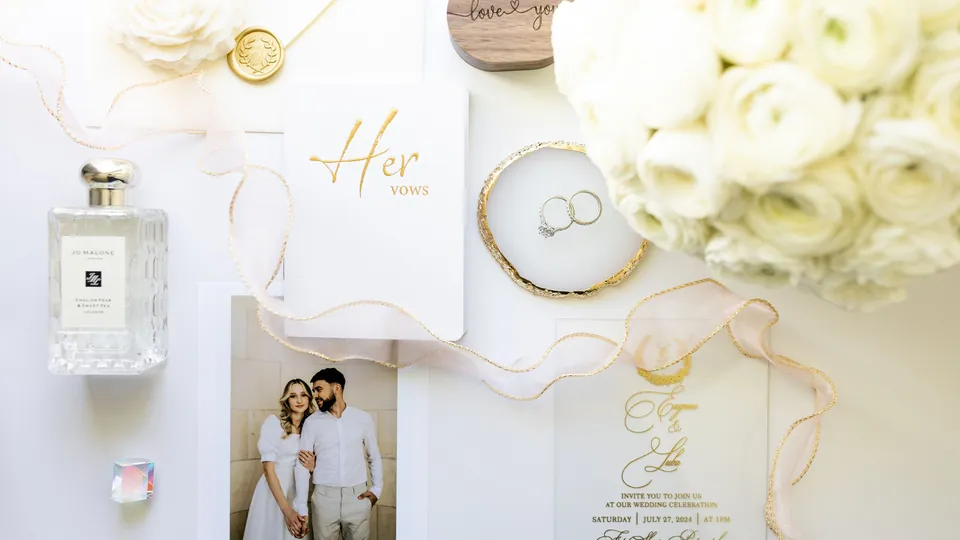
Print your vows in a readable size or place them in a vow book. Give a backup copy to your officiant if agreed. Practice looking up between sentences, and give yourself permission to pause. Tears, a shaky voice, or a deep breath do not make the moment less meaningful.
Ask for support without giving away your voice
Your officiant can help with the order, length, and flow of the vow exchange. If both partners want a surprise, ask whether the officiant can review each set separately for balance. Confirm that this support is part of the service you arrange.
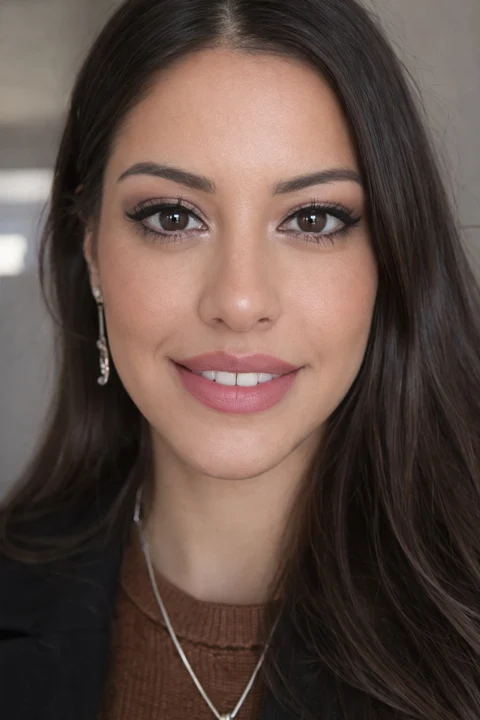
I am Elsa Noemy, and I believe your ceremony should honor the relationship behind the celebration. Share what you want your vows to express and where you feel stuck. We can discuss how to make the ceremony feel personal while preserving the words and choices that belong to you.
If writing personal vows feels wrong for you, that is useful information too. A simple exchange with carefully chosen shared wording can be deeply moving. Choose sincerity over pressure.
Turn commitment into everyday conversations
Some of your most important promises will be practiced after the wedding: making time, asking for help, and discussing responsibilities before resentment builds. Include money in those conversations. Talk about your goals, the obligations you already have, and the habits you want to develop together.
Understanding your individual credit is one practical place to begin. If you want to make credit awareness a regular habit, sign up for SmartCredit today. Use what you learn to support informed, respectful planning. The life behind your vows grows through the actions you take together.
Questions you may still have
Do we have to write our own vows?
No. Personal vows are a choice. You can use agreed wording, repeat-after-me vows, or a private exchange while keeping the required legal ceremony elements.
How long should personal wedding vows be?
Around one to two minutes per person is a practical starting point, not a rule. Agree on a similar length and read your vows aloud with pauses before finalizing them.
Can our officiant help us without revealing our vows to each other?
Ask whether separate review is available within your service agreement. It can help balance length and tone while keeping the exact words a surprise.